
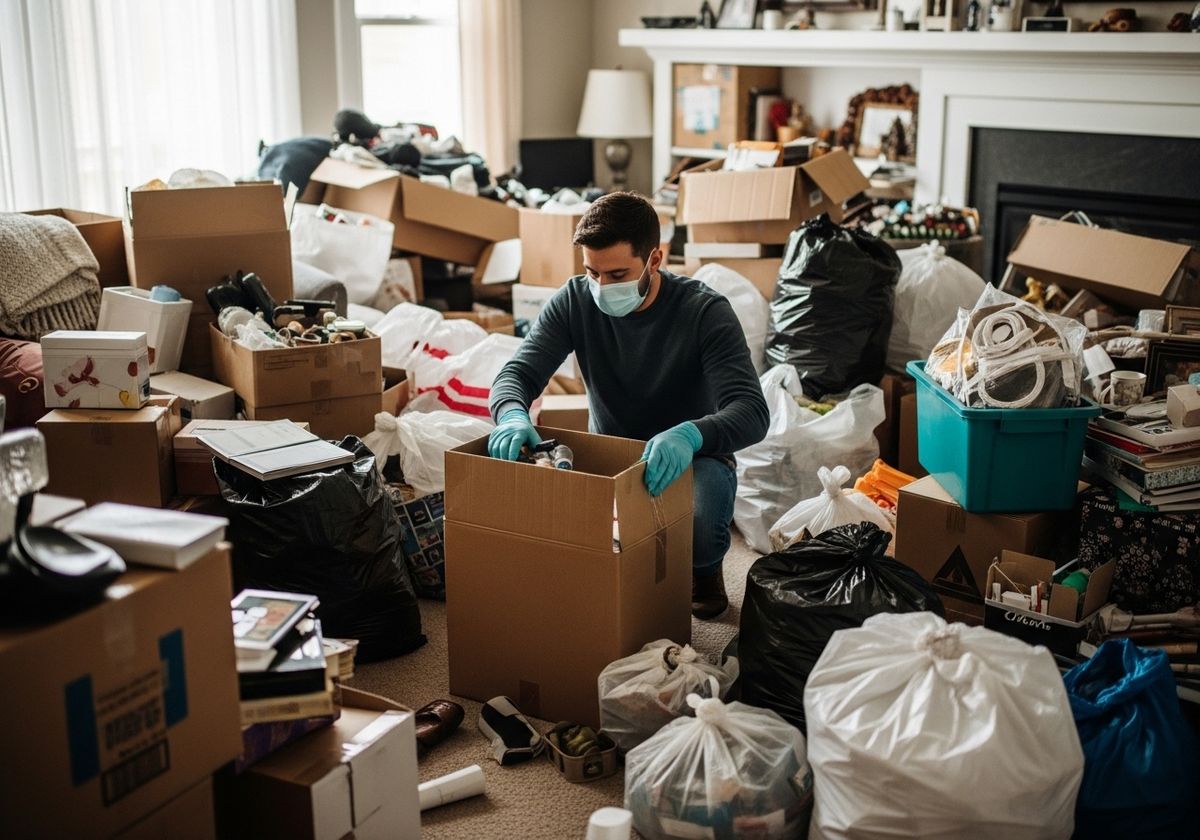
Hoarding can create significant challenges, transforming homes into cluttered and potentially hazardous environments. Addressing hoarding situations requires a compassionate and strategic approach, focusing on the safety and well-being of everyone involved. This guide offers practical strategies for a safe and supportive cleanup.

Understanding Hoarding Disorder
Hoarding disorder is a recognized mental health condition characterized by persistent difficulty discarding or parting with possessions, regardless of their actual value. This behavior leads to the accumulation of items that clutter and compromise living spaces. Understanding the psychological aspects of hoarding is crucial for effective intervention and cleanup.
Creating a Cleanup Plan
Before starting any cleanup, it’s essential to develop a detailed plan that considers the individual’s needs and the extent of the hoarding. A well-thought-out plan ensures a systematic and sensitive approach.
Assessment: Evaluate the scope of the hoarding, identifying potential hazards such as blocked exits, mold, or pest infestations.
Goals: Set realistic and achievable goals for the cleanup process, breaking it down into manageable steps.
Timeline: Establish a flexible timeline that respects the individual’s pace and emotional state.
Ensuring a Safe Cleanup
Safety should be the top priority during a hoarding cleanup. Hoarded environments often pose various risks that need to be addressed.
Protective Gear: Wear appropriate protective gear, including gloves, masks, and sturdy footwear, to protect against contaminants and injuries.
Hazard Removal: Identify and safely remove hazardous materials such as chemicals, sharp objects, and biohazards.
Ventilation: Ensure adequate ventilation to minimize exposure to dust, mold, and other allergens.
Providing Supportive Assistance
Individuals who hoard often experience anxiety, shame, and emotional distress when faced with decluttering. Providing support and understanding is vital for a successful cleanup.
Empathy: Approach the situation with empathy and patience, recognizing the emotional challenges involved.
Collaboration: Involve the individual in the decision-making process, allowing them to have control over what is kept or discarded.
Professional Help: Consider involving a therapist or counselor who specializes in hoarding disorder to provide additional support and guidance.
Efficient Junk Removal
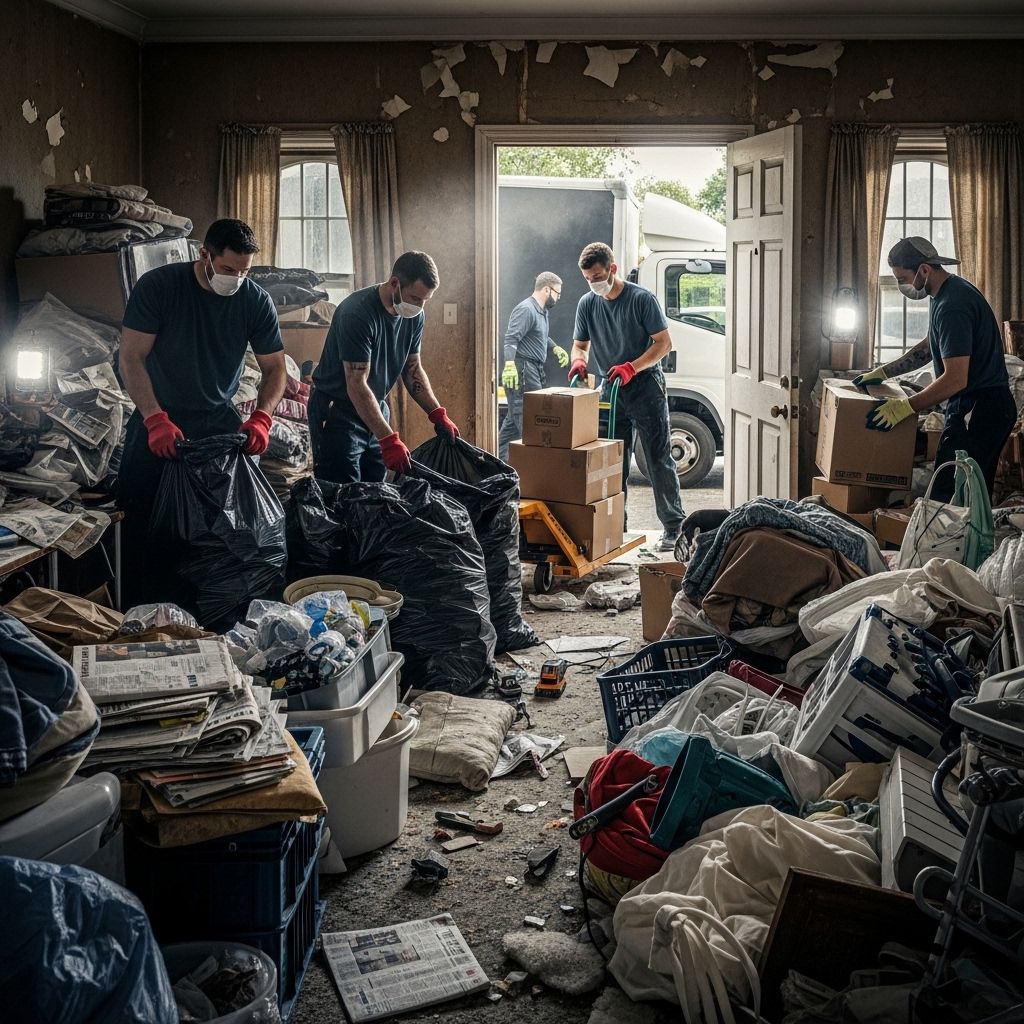
Once items have been sorted and decluttered, efficient junk removal is essential to restore the living space. Professional services can expedite this process, ensuring proper disposal and recycling.
Sorting: Categorize items for disposal, donation, or recycling to minimize waste.
Removal: Use a professional junk removal company to haul away large quantities of unwanted items quickly and efficiently.
Cleaning: Thoroughly clean and sanitize the space to eliminate odors, pests, and potential health hazards.
Environment Remediation
Addressing hoarding situations often requires more than just junk removal; it may involve environmental remediation to restore the property to a safe and habitable condition.
Deep Cleaning: Conduct a deep cleaning of the entire space, including floors, walls, and ceilings, to remove dirt, grime, and contaminants.
Pest Control: Implement pest control measures to eliminate infestations and prevent future problems.
Repairs: Repair any structural damage, such as broken fixtures, leaky pipes, or damaged flooring, to ensure the property is safe and functional.
Reclaiming a home affected by hoarding takes courage, but you don't have to walk that path alone. Beyond the physical cleanup, you need a team that understands the sensitivity of the situation. Loose Screws Hauling & Junk Removal LLC approaches every job with compassion, discretion, and a lack of judgment. Whether you need a massive house cleanout, heavy appliance removal, or careful furniture removal, we provide a fresh start without the stress. Let us handle the labor so you can focus on the healing. Contact us today for a confidential consultation.